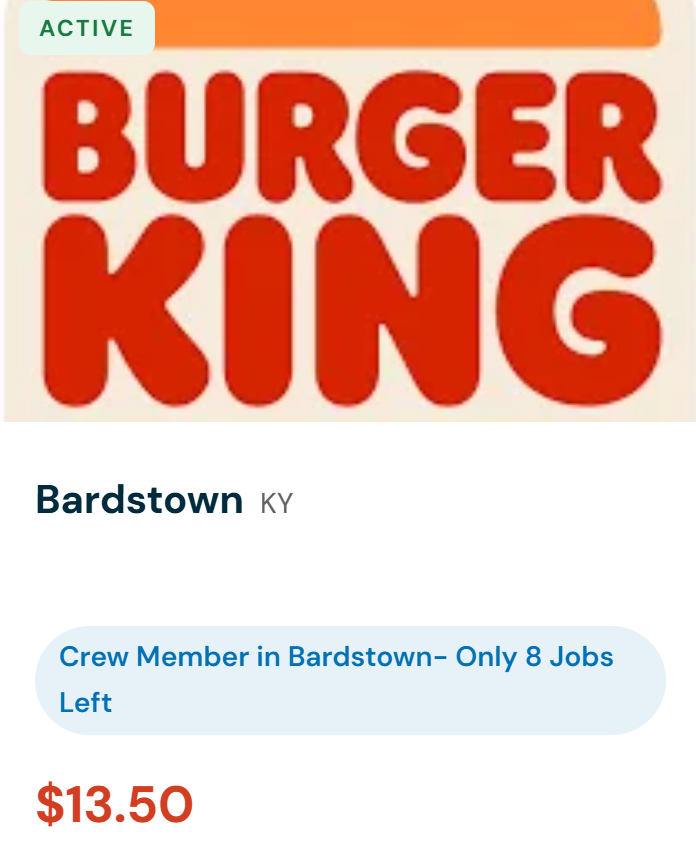
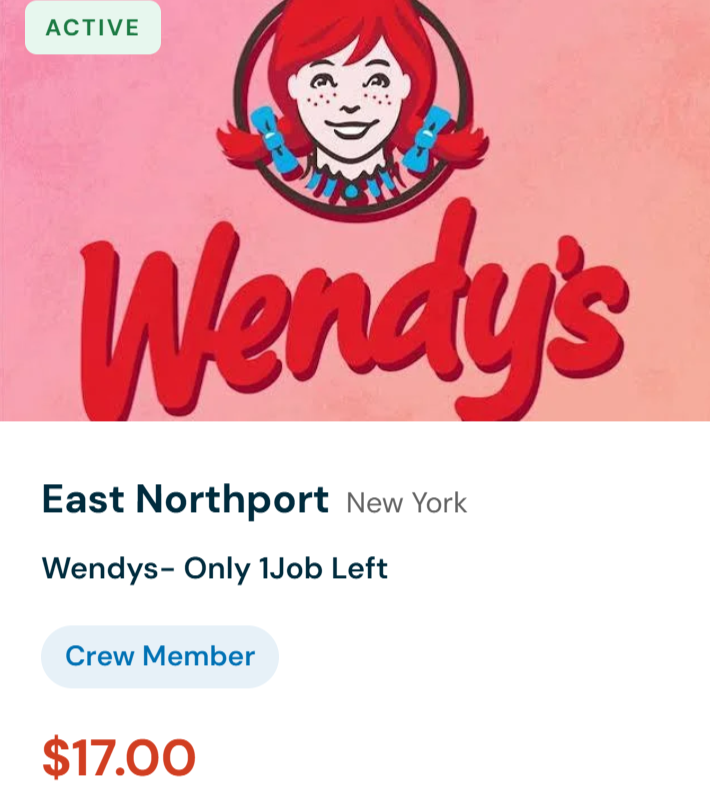
/static/upload/image/20260926/1790433621302569.jpg
Apply for U.S. permanent residence through a full-time job offered by a U.S. employer, following stages including PERM labor certification, an I-140 immigrant petition, and consular processing.
/static/upload/image/20260926/1790433814168382.jpg
EB-3 is the third preference category for U.S. employment-based immigration. Its Other Workers subcategory generally covers permanent, full-time positions that require less than two years of training or work experience.
The process is usually initiated by a U.S. employer. The employer first conducts the required recruitment and labor-market testing, then submits a PERM labor certification application to the U.S. Department of Labor. Once PERM is approved, the employer files an I-140 immigrant petition with USCIS. When the applicant’s priority date becomes current and a visa number is available, the applicant proceeds with consular processing abroad or, if eligible, files Form I-485 to adjust status in the United States.
A legally married spouse and eligible unmarried children under 21 may apply as derivative beneficiaries. Final eligibility, visa availability, and waiting times depend on the applicant’s circumstances, the applicable U.S. immigration rules, and the Visa Bulletin.
/static/upload/image/20260926/1790430811700902.jpg
A path to U.S. permanent residence
Apply for permanent residence through a qualifying U.S. employer and the employment-based immigration process. Applicants abroad become permanent residents after receiving an immigrant visa and being admitted at a U.S. port of entry.
Planning for eligible family members
An eligible spouse and unmarried children under 21 may apply together with the principal applicant.
No academic or language requirement
Other Workers positions do not require an academic qualification, and requirements concerning previous work experience and English are relatively flexible. The final requirements depend on the employer and the position.
Coordination throughout the process
Support from initial eligibility screening and questionnaires to job matching and coordination with employers, lawyers, and the application process, with ongoing case-progress follow-up.
Applicants planning a long-term future in the U.S.
/static/upload/image/20260926/1790433232256921.jpg
People willing to plan through a lawful employment-based immigration pathway and able to accommodate a lengthy application process.
Applicants without advanced education or English
/static/upload/image/20260926/1790433237241236.jpg
Advanced academic qualifications and advanced English are not required. Applicants must be able to perform the job duties and work in the role for at least one year.
Applicants planning together with their families
/static/upload/image/20260926/1790433244320436.jpg
Once eligibility requirements are met, immigration applications may also be planned for a spouse and children. The U.S. Department of State states that spouses and unmarried children under 21 of employment-based immigrants may qualify to apply together.
Initial eligibility assessment
Review the applicant’s background, employment plans, and family circumstances to assess whether EB-3 Other Workers aligns with their immigration goals.
Complete a background questionnaire
Confirm personal details, employment history, immigration history, and other background information that may affect eligibility.
Employer and job matching
After preliminary screening and signing the service agreement, match applicants with currently available positions based on employer requirements and individual circumstances.
PERM labor certification
The employer completes the prevailing-wage determination, recruitment, and U.S. labor-market testing, then submits a PERM labor certification application to the U.S. Department of Labor.
I-140 and immigration processing
After PERM approval, the employer files Form I-140 with USCIS. When the priority date and visa availability permit, applicants abroad typically proceed through the NVC and consular processing. Eligible applicants in the United States may adjust status using Form I-485.
Interview, entry, and starting work
Complete the medical examination, consular interview, and related procedures. After visa issuance, travel to the United States and begin work under the employment arrangement. Eligible family members may accompany the principal applicant or follow to join.
From USD 23,000
The actual total cost varies depending on:
Position | Employer and city | Number of applicants | Family members | Case circumstances | Application pathway | Third-party and government fees.
Before signing the service agreement, we will provide a specific fee proposal based on the applicant’s circumstances, available positions, and agreed scope of services.
Important: Recruitment expenses, the employer’s attorney fees, and other employer labor-certification costs that the U.S. employer is legally required to pay during the PERM stage must not be passed on to the foreign worker.
How do EB-3 Other Workers, Skilled Workers, and Professionals differ?
Other Workers generally covers positions requiring less than two years of training or experience; Skilled Workers generally requires at least two years of relevant training or experience; Professionals generally requires a U.S. bachelor’s degree or an equivalent foreign degree.
How long does the process take?
The indicative timeframe for the program is typically 3–4 years, but there is no fixed completion date. Visa backlogs and interview scheduling can affect the actual timeline. Applicants from China and India generally face longer waits, with an indicative timeframe of 8–10 years.
Can I choose my own job?
Matching depends on positions actually available at the time of application, the employer’s requirements, and the applicant’s circumstances. A particular employer or position is not guaranteed to remain available, and a preferred brand may not be available or suitable.