Japan Considers Stricter Japanese Language Requirements for Foreign Professionals

What foreign professionals and Japanese employers should know about the potential changes to Japan’s GIJIK residence status screening
As Japan continues to expand its international workforce, greater attention is being placed on ensuring that foreign professionals possess not only the qualifications required for their roles, but also the communication skills necessary to perform their actual job duties as well as live in Japan.
One area receiving particular attention is the Engineer / Specialist in Humanities / International Services residence status, commonly referred to in Japan as GIJINKOKU (技術・人文知識・国際業務).
Under the proposed policy direction, as seen in Japan Engineer / Humanities Work Visa 2026 Guide | Japan Visa, Japanese language ability could become a more significant consideration for certain applicants—particularly where Japanese communication is an essential part of the position.
For international professionals and companies recruiting overseas talent, this could make early preparation increasingly important.
Why Is Japan Considering Stricter Screening?
The Engineer / Specialist in Humanities / International Services status is one of Japan’s principal residence categories for foreign professionals working in fields that require specialized academic or professional knowledge.
It covers a wide range of occupations, including engineering, IT, international business, translation and interpretation, marketing, design, and other professional roles that meet the applicable requirements.
However, concerns have been raised about cases in which foreign nationals holding this residence status may have performed work that did not sufficiently correspond to the professional activities originally approved.
Stronger screening would therefore aim to ensure that:
The applicant genuinely possesses the required professional qualifications.
The position corresponds to activities permitted under the residence status.
The employee’s actual responsibilities match the submitted job description.
Sponsoring employers comply with relevant employment and immigration requirements.
This measure is also to improve the transparency and credibility of Japan’s professional immigration system.
Japanese Language Ability Could Become a More Important Factor
One of the most significant potential developments is greater consideration of Japanese language proficiency during the application review process.
For positions where employees are expected to communicate regularly in Japanese—with colleagues, customers, suppliers, or other business partners—applicants may be expected to provide clearer evidence that they possess sufficient Japanese communication ability for the role.
Potential indicators discussed in this context may include qualifications or assessments such as:
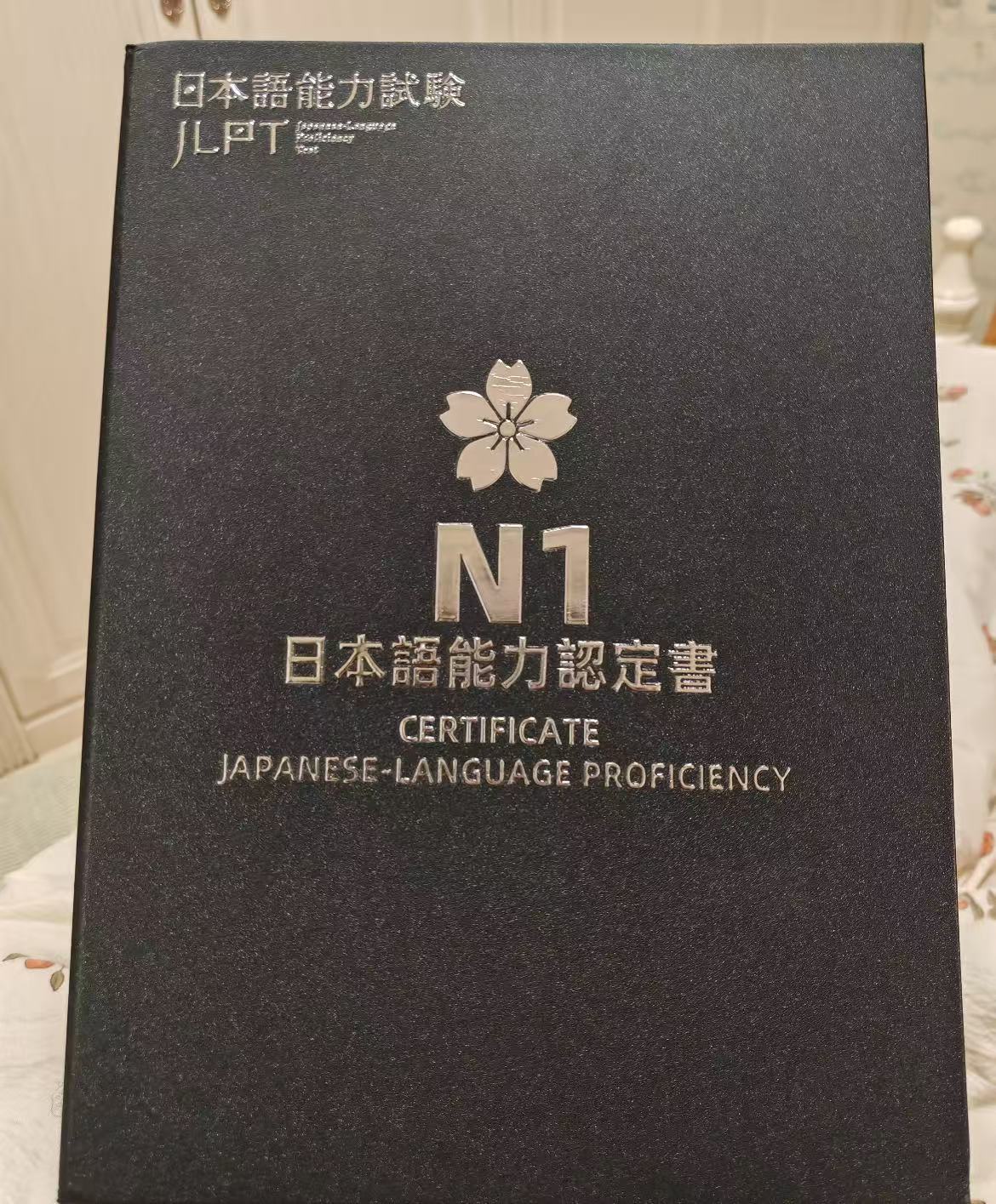
JLPT N2 or above
BJT 400+
Twenty years of residence in Japan
Graduate from a Japanese University
Japanese ability broadly corresponding to CEFR B2
BJT Business Japanese Proficiency Test
Other recognized evidence demonstrating appropriate Japanese communication ability
However, this should not necessarily be interpreted as a universal JLPT N2 requirement for every GIJIK applicant.
The relevance of Japanese language ability may depend on the nature of the position and the extent to which Japanese communication is genuinely necessary to perform the employee’s duties.
For example, a role involving frequent communication with Japanese clients may be assessed differently from a highly specialized technical position conducted primarily in English.
Who Could Be Most Affected?
If stricter screening is introduced, the impact could be particularly relevant for new overseas applicants seeking GIJIK status, especially those applying for positions involving substantial Japanese-language communication.
Japanese companies recruiting professionals directly from overseas may therefore need to consider language ability earlier in the hiring process.
The impact may be different for candidates whose educational or professional backgrounds already provide strong evidence of their ability to work effectively in a Japanese environment.
Ultimately, individual applications are assessed based on their specific circumstances.
Employer Compliance May Also Receive Greater Attention
The potential changes are not only relevant to foreign employees.
Sponsoring companies may also face greater scrutiny.
When reviewing an application, immigration authorities can consider not only the applicant’s background but also the legitimacy of the employment arrangement and the sponsoring organization.
Companies recruiting foreign professionals should therefore ensure that employment conditions, compensation, job descriptions, and supporting documentation are accurate and consistent.
Issues involving labor compliance, unpaid wages, inappropriate employment arrangements, or discrepancies between an employee’s stated and actual duties could create additional concerns during immigration review.
For HR departments and international companies, immigration compliance should therefore be treated as part of the overall recruitment and onboarding process—not simply as an administrative procedure after hiring.
What Does This Mean for Foreign Professionals?
Foreign professionals considering a career in Japan should increasingly view Japanese language ability as part of their long-term professional preparation.
Even where a formal language certificate is not mandatory for a particular position, stronger Japanese communication skills can expand employment opportunities and may help demonstrate that an applicant is capable of performing the duties described in the employment contract.
Candidates planning to apply for professional positions in Japan should also ensure that:
Their educational qualifications are relevant to the proposed position.
Their professional experience is accurately documented.
Their job description corresponds to activities permitted under GIJIK status.
Their employment contract clearly describes their position and working conditions.
Supporting documents are consistent across the application.
Japanese language qualifications are prepared where relevant to the position.
Preparing these elements early can help reduce uncertainty when applying for a Certificate of Eligibility or changing residence status in Japan.
What Should Employers Do Now?
Companies planning to recruit international professionals should review their hiring and immigration processes before any potential changes take effect.
In particular, employers may want to evaluate whether the Japanese language ability requested from a candidate is consistent with the actual responsibilities of the position.
Job descriptions should also clearly explain why specialized knowledge is required, rather than relying on broad or generic descriptions of the employee’s duties.
For companies recruiting internationally, closer coordination between HR teams, hiring managers, and qualified immigration professionals can help identify potential issues before an application is submitted.
How Hakudatsu Supports International Professionals and Companies in Japan
As Japan’s immigration and employment environment continues to evolve, both international professionals and sponsoring companies need to understand how regulatory developments may affect their plans.
Hakudatsu Global supports individuals and international businesses throughout their expansion, employment, and relocation journey in Japan.
Our services include:
Japan career and relocation planning
GIJIK application documentation support
Coordination with licensed Japanese Gyoseishoshi
Employer compliance and foreign talent consulting
Japan market-entry consulting
Corporate establishment support
International employee relocation planning
Long-term business and residency strategy
Whether you are an international professional considering a career in Japan or a company planning to recruit talent from overseas, early preparation can help create a smoother path forward.
Planning to hire international professionals or work in Japan?
Contact Hakudatsu Global to discuss your situation and preparation strategy.

Japanese language proficiency has been added to the residency requirements for "engineers/humanities and social sciences professionals and international workers".
How to Register a Company in Japan
What Are the Costs for a Hong Kong Company to Set Up a Subsidiary in Japan?